
Mobile wound care · Los Angeles County
Wounds that won’t heal deserve a specialist who comes to you.
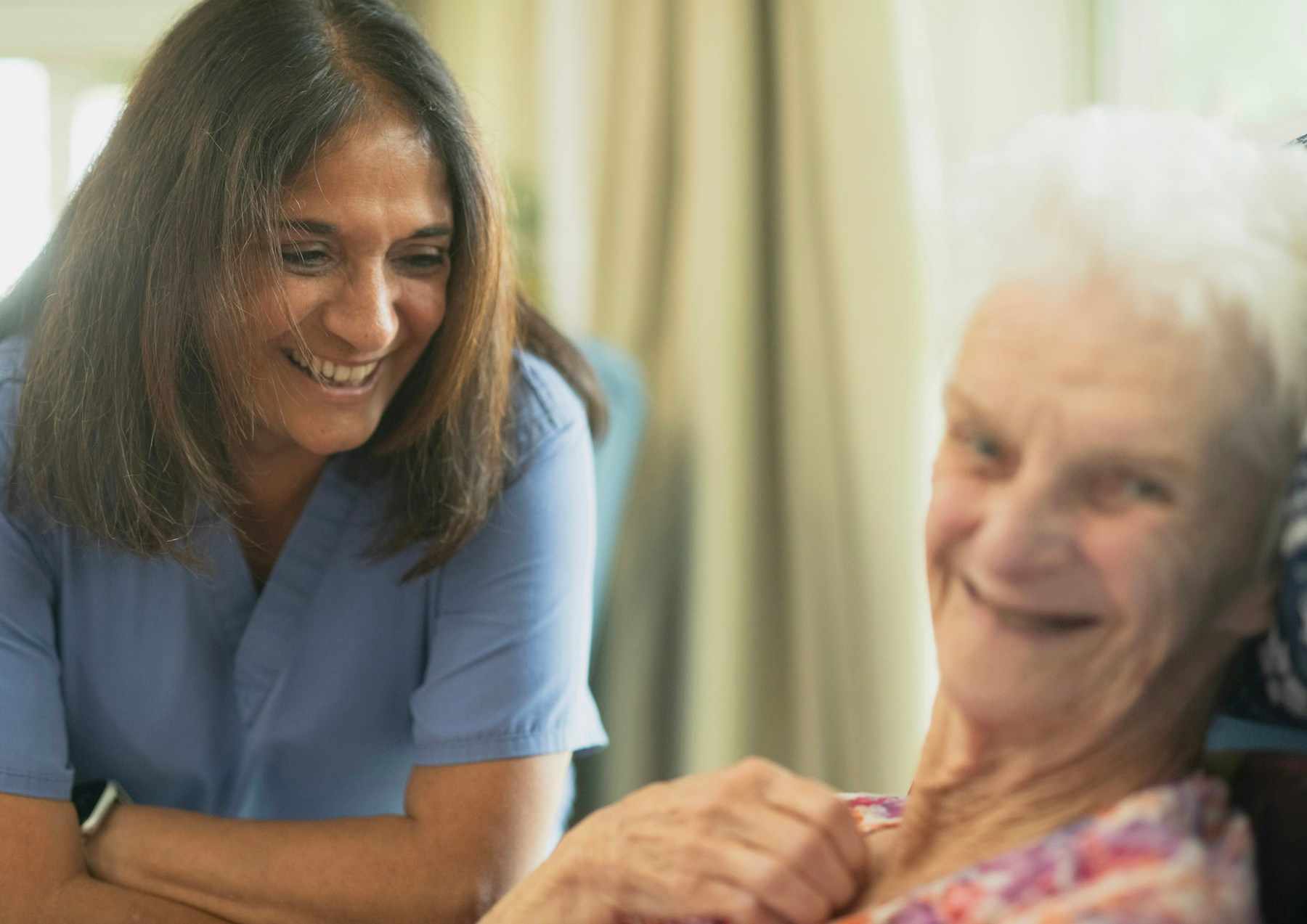
We treat diabetic foot ulcers, pressure injuries, leg ulcers and slow-healing surgical wounds at home, in assisted living and in skilled nursing. Weekly visits, a clear plan, and updates for your doctor.
- Weekly visits with measured progress
- Medicare & most insurance accepted
- No clinic trip, no waiting room
- Certified wound care specialists
- Weekly progress notes to the referring physician
- Home, assisted living & SNF visits
- Caregiver training at every visit
When a wound needs attention
Call your doctor or us if a wound:
- Has not improved in 2 to 4 weeks
- Is getting bigger, deeper or more painful
- Has more drainage, a bad smell, or redness that spreads
- Is on the foot of someone with diabetes
Fever with chills, fast-spreading redness, black skin or confusion can be an emergency. Call 911 or go to the nearest emergency room.
Conditions we treat
Chronic and complex wounds, treated where you live
A wound that has not improved in two to four weeks needs a specialist. These are the wounds we see most.
Diabetic Foot Ulcers
Open sores on the feet of people with diabetes. They need close care because nerve damage and slow healing can hide serious problems.
Learn morePressure Injuries (Bedsores)
Damage to skin and tissue from staying in one position too long. They are common in people who spend most of the day in bed or a wheelchair.
Learn moreVenous Leg Ulcers
Slow-healing sores on the lower leg caused by poor blood return in the veins. They often come with swelling and skin changes.
Learn moreArterial & Mixed Ulcers
Painful wounds caused by poor blood flow through the arteries, sometimes combined with vein problems. They need careful, coordinated care.
Learn moreSurgical & Non-Healing Wounds
Surgical cuts that open up, get infected or heal slowly, and other wounds that have stalled. We help get healing back on track at home.
Learn moreSkin Tears, Burns & Traumatic Wounds
Tears in fragile skin, minor burns and wounds from falls or accidents. Gentle, correct care lowers pain and the risk of infection.
Learn moreHow it works
From first call to healed, in four steps
No clinic visits and no guesswork. You always know what happens next.
-
Call or send a referral
Patients and families can call or use the form. Physicians, home health and facilities can fax or submit a referral online.
-
We verify coverage and schedule
We check insurance and authorization, then book the first visit at home or at the facility.
-
First visit and treatment plan
A full wound assessment, photos and measurements, and a written plan shared with your physician.
-
Weekly visits until healed
We treat, measure and adjust at every visit, teach caregivers, and send progress notes until the wound closes.
Treatments
Advanced wound care, without the trip to a clinic
Every plan is built around the wound, your health and your home. Treatments are ordered by your physician and adjusted at each visit.
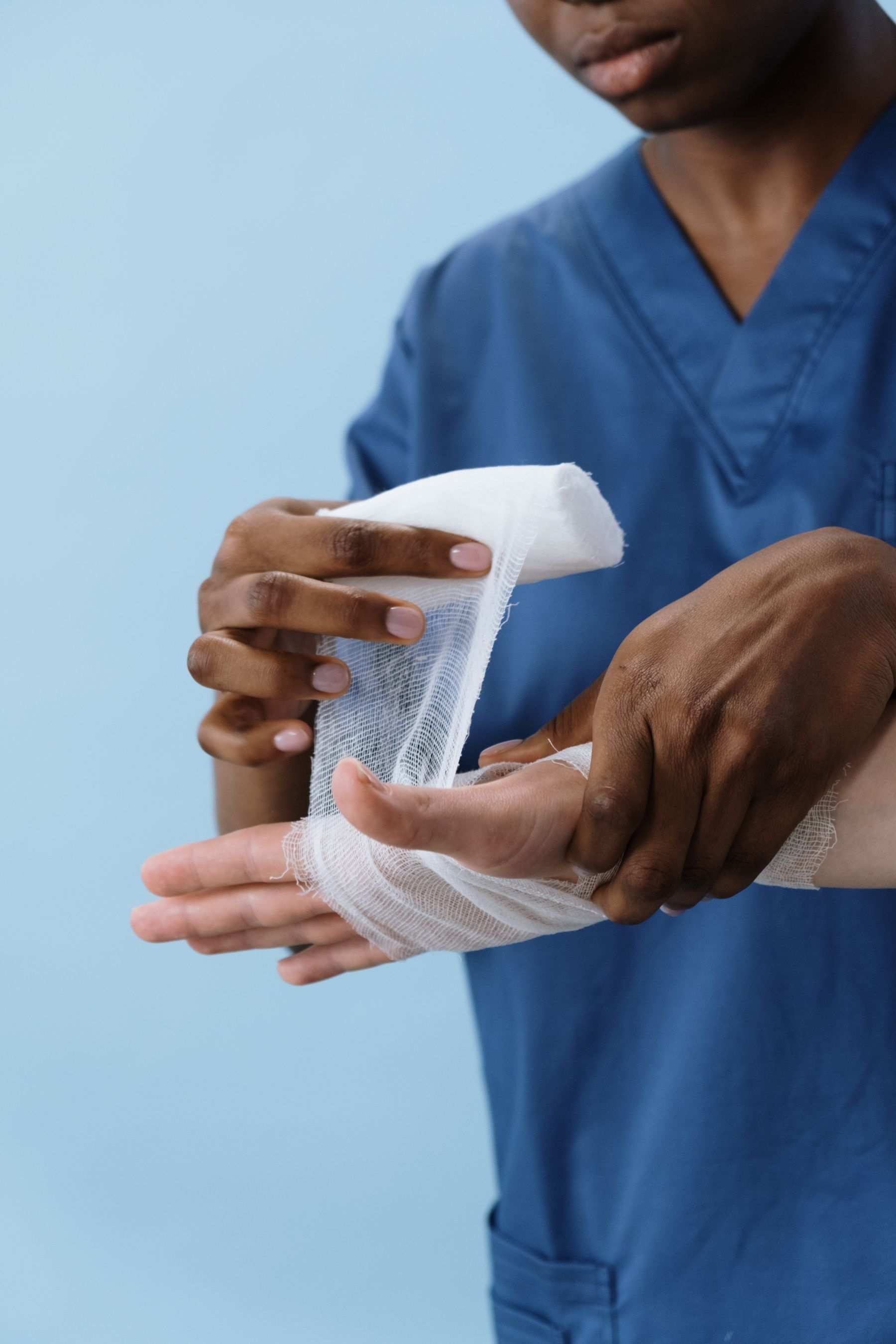
Wound Assessment & Measurement
A careful check of the wound at every visit, so we can see what is working and keep your doctor informed.
Debridement
Removing dead or unhealthy tissue from a wound so healthy tissue can grow.
Advanced Wound Dressings
Modern dressings matched to your wound to manage moisture, protect the skin and fight infection.
Skin Substitutes
Thin sheets of special material placed on a stalled wound to support new tissue growth, when standard care is not enough.
Negative Pressure Wound Therapy (Wound Vac)
A small pump and sealed foam dressing that gently pull fluid from a wound to help it close.
Compression Therapy
Wraps or stockings that gently squeeze the leg to lower swelling and help venous ulcers heal.
Offloading & Pressure Relief
Taking pressure off a wound with special boots, shoes, cushions, mattresses and repositioning.
Patient & Caregiver Education
Clear, hands-on teaching so patients, families and facility staff can care for the wound between visits.
Why WoundCarerX
Specialist wound care that fits real life in Los Angeles
For many patients, getting to a wound center every week is the hardest part of healing. We remove that step.
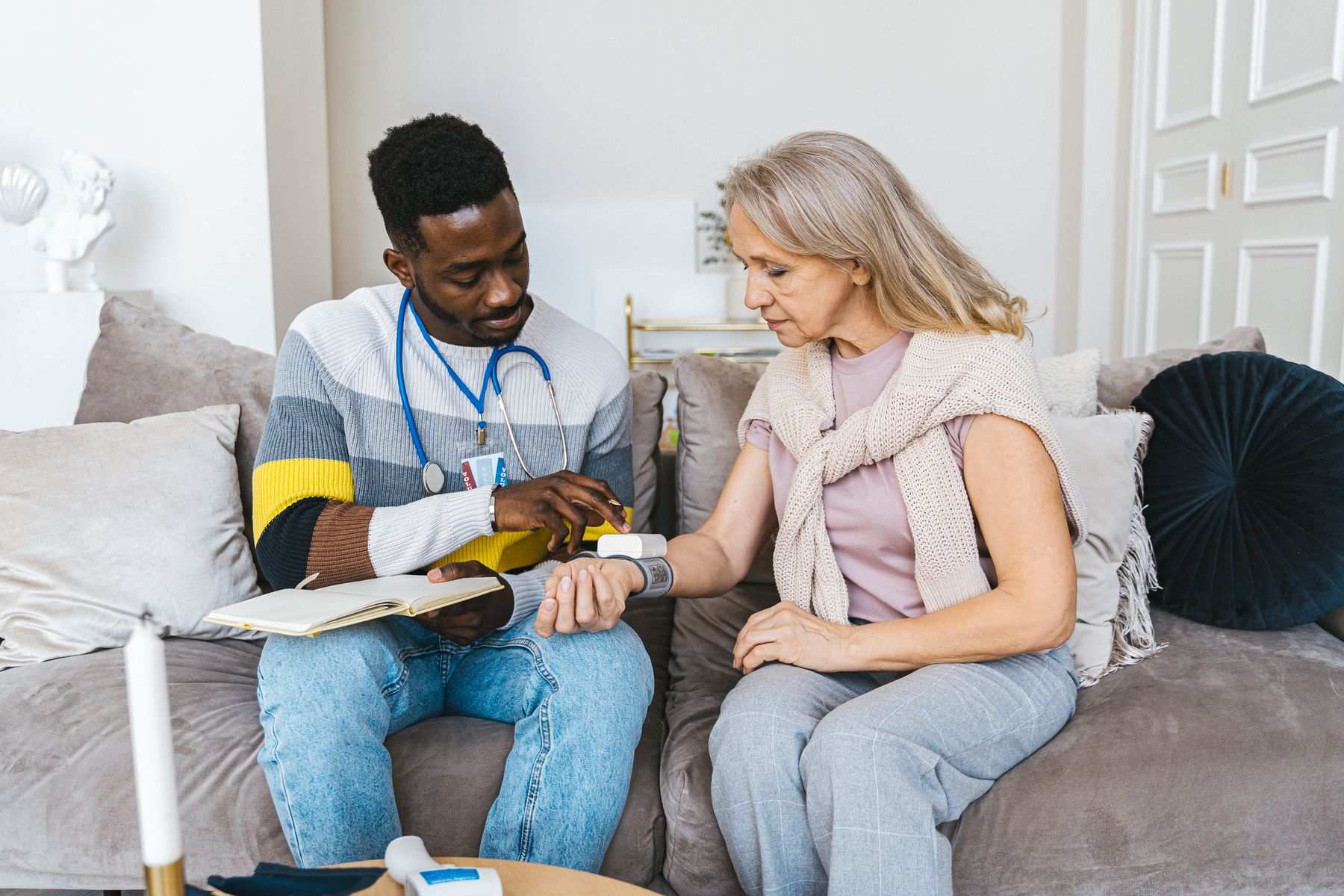
We come to you
Homes, board-and-care homes, assisted living and skilled nursing facilities across Los Angeles County.
Families know the plan
Written care instructions after every visit and a direct line to our team, for patients and their caregivers.
Your doctor stays in the loop
Visit notes, measurements and photos go to the referring physician after every visit.
Focused on healing and prevention
We treat the wound and the cause: pressure, circulation, blood sugar and nutrition.
- Patients treated
- XX
- Average days to first visit
- XX
- Visits until the wound closes
- Weekly
Who we help
Care for patients, and a partner for their care team
Patients & families
What to expect when we visit, how caregivers can help, and how to get ready for the first visit.
For patientsReferring providers
Physicians, podiatrists, home health and discharge planners: refer online or by fax and get notes after every visit.
Refer a patientCare facilities
Skilled nursing, assisted living and board-and-care: in-facility wound rounds, staff training and clear documentation.
For facilitiesFor referring providers
Refer a patient in minutes
Physicians, podiatrists, home health agencies, hospitals and skilled nursing facilities can send referrals by fax or online.
Service areas
Visiting patients across Los Angeles County
We see patients in these communities and many more. Not on the list? Call us or enter your ZIP code in the form.
- Los Angeles
- Hollywood
- Koreatown
- East Los Angeles
- Boyle Heights
- South Los Angeles
- Inglewood
- Culver City
- Santa Monica
- Burbank
- Glendale
- Pasadena
- San Fernando Valley
- Downey
- Whittier
- Long Beach
- Torrance
- Compton
Insurance
We verify coverage before the first visit. Plans we work with:
- Medicare Part B
- Medi-Cal
- Medicare Advantage plans
- Commercial PPO plans
Coverage depends on your plan and your physician’s orders. We will tell you about any cost before treatment starts.
Insurance detailsPatient resources
Guides for patients and caregivers
Signs a Wound Is Infected (and When to Get Help)
Most wounds heal without trouble, but infection can turn a small sore into a big problem. Here’s what to watch for and who to call.
Read the guidePreventing Pressure Injuries at Home: A Caregiver’s Guide
Pressure injuries, also called bedsores, can form in just hours. With a few daily habits, caregivers can help prevent most of them.
Read the guideThe Daily Diabetic Foot Check: A Simple 5-Minute Routine
Diabetes can make it hard to feel small cuts and blisters on your feet. A quick check each day helps you catch problems before they turn into ulcers.
Read the guideQuestions
Frequently asked questions
Do I need a referral from my doctor?
Most insurance plans, including Medicare, need a physician’s order for wound care. If you do not have one, call us and we will help you request it from your doctor.
Does insurance cover wound care at home?
Many plans cover wound care visits when a physician orders them. We check your benefits before the first visit and tell you about any cost up front.
How often will you visit?
Most patients are seen once a week. Some wounds need more frequent visits at first. Your plan is reviewed and adjusted at every visit.
How long does it take for a wound to heal?
It depends on the type of wound, its size, circulation, blood sugar and nutrition. Many chronic wounds improve within weeks with consistent care. We measure every visit so you can see progress.
Do you see patients in assisted living or skilled nursing facilities?
Yes. We visit homes, board-and-care homes, assisted living communities and skilled nursing facilities, and we work alongside facility staff.
What should I have ready for the first visit?
Your insurance card, a list of your medications, recent notes from your doctor if you have them, and any dressing supplies you are using now.
Is this a replacement for emergency care?
No. If a wound shows signs of a serious infection, such as fever, fast-spreading redness or confusion, call 911 or go to the nearest emergency room.
Let’s start healing
Tell us a little about the wound and we will call you to schedule. Prefer to talk? Call us.