[Phone]

Wound care at home, with you and your family in mind

A wound that won’t heal can be scary and tiring. We come to you, explain each step and help your family feel ready to help.
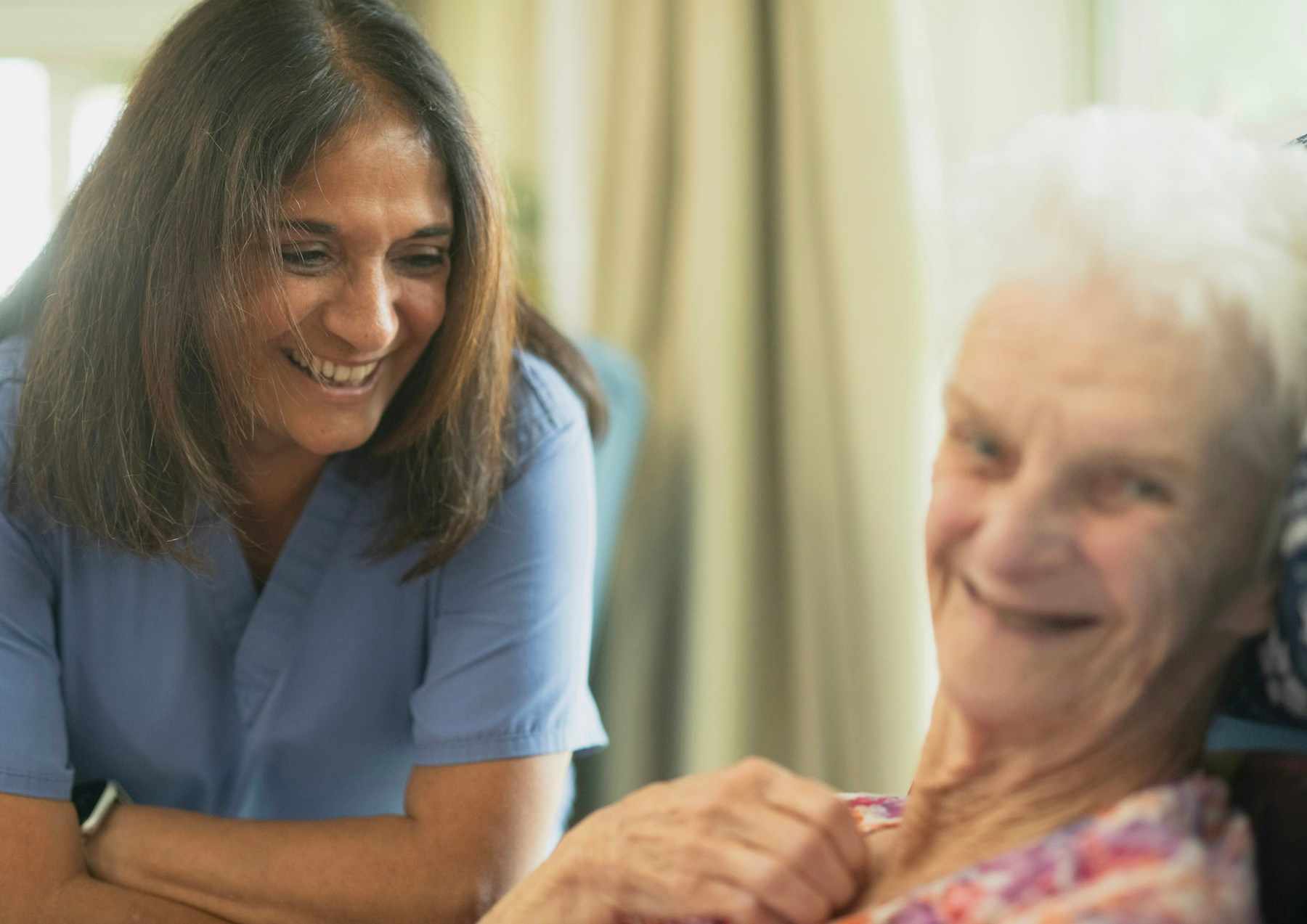
Smiling wound care nurse in blue scrubs with an older woman during a home visit in Los Angeles

At home

What to expect at home

We come to you

No driving, parking or waiting rooms. We visit your home, an assisted living home or a board-and-care home.

A set visit time

We call ahead to set a time. Most visits after the first one take about 30 to 45 minutes.

Progress you can see

We measure and photograph the wound every visit, so you can see how it is changing over time.

Clear explanations

We explain what we are doing and why, in plain words. Ask as many questions as you like.

Caregivers

How caregivers can help

Family members and caregivers play a big part in healing. You don’t need medical training. We will show you what to do.

  • Be there for visits when you can, so you can learn the care steps with us.
  • Help with dressing changes between visits, if the care plan calls for it.
  • Help the patient change position often to keep pressure off the wound.
  • Make sure the patient eats well, drinks enough water and takes medicines as prescribed.
  • Write down any changes you notice and share them at the next visit.
  • Call us if you have a question. You don’t have to wait for the next visit.

Getting ready

Preparing your home for visits

  • Clear a path to the bed or chair where the patient will be seen.
  • Have a good light nearby, like a lamp, so we can see the wound clearly.
  • Keep a clean table or counter free for supplies.
  • Put pets in another room during the visit.
  • Keep wound supplies together in one clean, dry place.
  • Let us know about parking, gate codes or building access ahead of time.

Ask us

Good questions to ask your clinician

  • What kind of wound is this, and what is causing it?
  • What is the plan, and how will we know it is working?
  • How do I change the dressing, and how often?
  • What should I do, or not do, between visits?
  • What signs mean I should call you or my doctor right away?
  • How can we keep a new wound from starting?

Stay safe

Staying safe between visits

Home visits are not emergency care. Call 911 or go to the nearest emergency room if you have chest pain, trouble breathing, confusion or heavy bleeding.

  • Call your doctor or call us the same day if you see more redness, swelling, warmth or pain around the wound.
  • Call if there is new pus, a bad smell or drainage that changes color.
  • Call if you have a fever or chills, or if the skin around the wound turns dark.
  • If you have diabetes, check your blood sugar as your doctor told you. High sugar can slow healing.
  • Keep the dressing clean and dry, and don’t remove it unless the care plan says to.

Questions

Frequently asked questions

Does someone need to be home with the patient?

It helps, especially for the first visit. If the patient can answer questions and let us in, a family member doesn’t have to be there for every visit.

Can you visit a parent who lives in a board-and-care home?

Yes. We visit board-and-care and assisted living homes. We work with the staff there so everyone knows the care plan.

Who brings the wound supplies?

It depends on your care plan and your insurance. We will explain how supplies are ordered and who provides them before care starts.

What if the wound gets worse?

Call us or your doctor right away. We may change the plan with your doctor’s approval. For an emergency, call 911.

Ready to get a wound looked at?

Tell us about the wound and we will call you to schedule a visit at home or at the facility. Physicians and facilities can send a referral online or by fax.