
Debridement
Dead tissue can keep a wound from healing and can hide infection. When your doctor orders it, we gently remove it at your bedside, at home or in your facility.
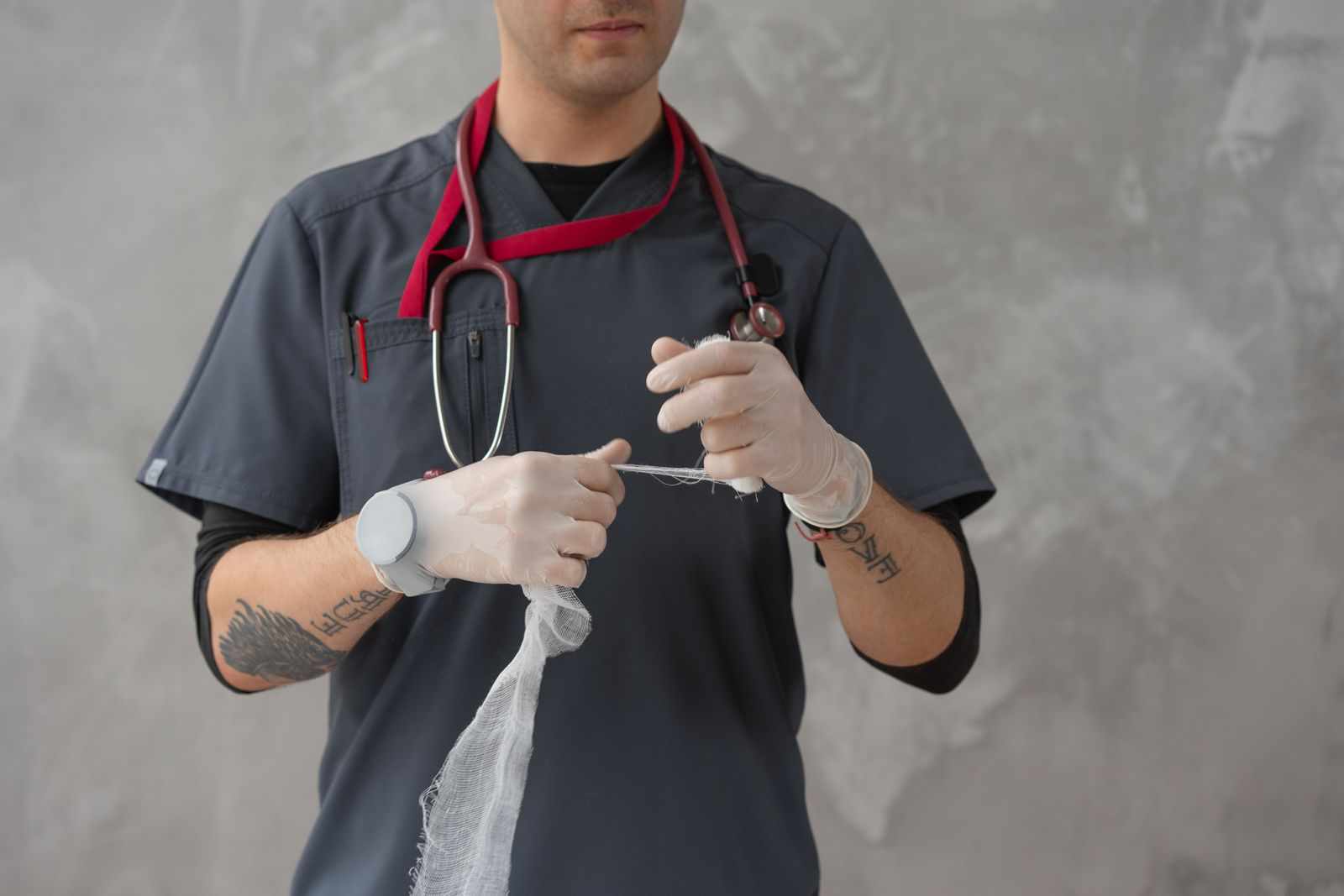
How it works
Debridement means removing dead, damaged or infected tissue from a wound. This tissue may look yellow, tan, gray or black. Clearing it away helps healthy tissue grow and lets us see the true size and depth of the wound.
There are a few ways to do it. We may use sterile tools to carefully trim tissue, or special dressings and ointments that help the body break it down over time. The method depends on your wound, your health and your doctor’s orders. Some wounds, such as a dry, stable scab on the heel of a person with poor blood flow, are often best left alone.
At your visit
What to expect
-
Check the wound
We look at the wound, check blood flow and decide with your doctor’s orders if debridement is safe today.
-
Keep you comfortable
We explain each step, help you get into a comfortable position and use a numbing gel if it has been ordered.
-
Clean the area
We clean the wound and the skin around it to lower the risk of infection.
-
Remove dead tissue
We carefully remove dead tissue with sterile tools or apply a product that softens it over time.
-
Dress the wound
We stop any small bleeding, put on a fresh dressing and note the results for your doctor.
Benefits
Why it helps
- Removes tissue that can block healing
- Lowers the amount of bacteria in the wound
- Lets us see and measure the wound more accurately
- Helps dressings and other treatments work better
Between visits
- Keep the dressing clean, dry and in place until the next change.
- A little spotting of blood on the dressing can be normal. Call if bleeding soaks through or will not stop.
- Take pain medicine only as your doctor has directed.
- Call us or your doctor if you notice more redness, swelling, warmth or a bad smell.
Always follow the care plan and dressing orders from your own clinician.
Questions
Debridement: common questions
Does debridement hurt?
Many people feel little or no pain, especially if nerves in the area are damaged. If you do feel pain, tell us right away. We can stop, slow down or use a numbing gel if your doctor has ordered one.
Will the wound look bigger afterward?
It may. Once dead tissue is removed, you can see the true size of the wound. This is normal and is often an important step toward healing.
How often is debridement done?
It depends on how quickly dead tissue builds up. Some wounds need it at many visits, and others only once or twice. We decide each time based on the wound and your doctor’s orders.
Ready to get a wound looked at?
Tell us about the wound and we will call you to schedule a visit at home or at the facility. Physicians and facilities can send a referral online or by fax.