
Offloading & Pressure Relief
A wound cannot heal well if it keeps getting pressed on. Offloading takes the pressure off, whether the wound is on the foot, the heel or the tailbone.
How it works
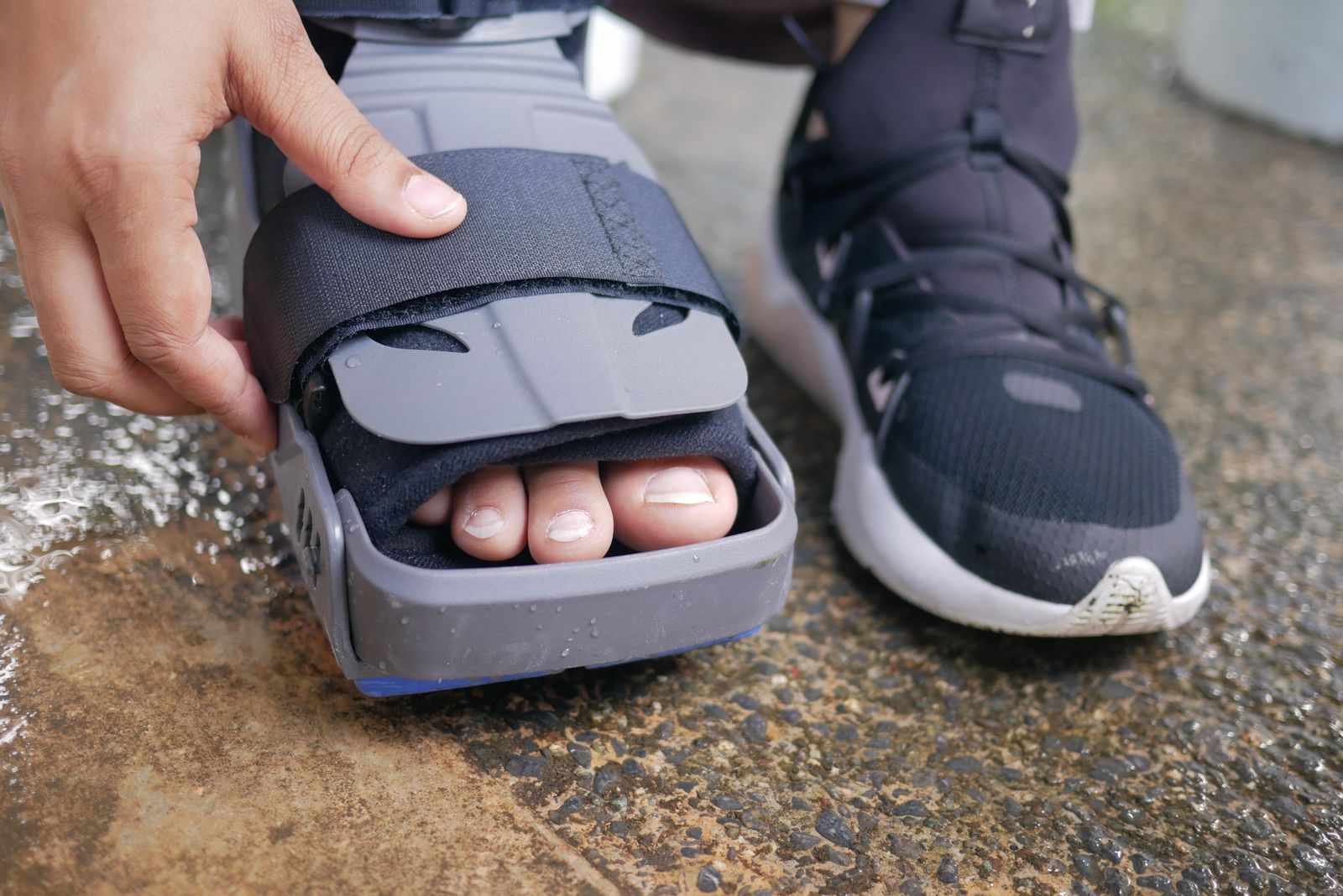
Offloading means taking weight or pressure off a wound. For a diabetic foot ulcer, this may be a special boot, a removable walker, a shoe with a custom insert or a padded dressing. Some people need a cast, and we coordinate with a foot specialist when that is needed.
For pressure injuries, offloading means changing position often and using the right support surfaces. This includes pressure-relieving mattresses, seat cushions and heel protectors. Equipment is ordered by your doctor. We help choose what fits your needs and teach everyone involved how to use it.
At your visit
What to expect
-
Find the pressure
We look at how you walk, sit or lie to find what is pressing on the wound.
-
Choose the right support
We recommend a boot, shoe, cushion, mattress or heel protector, and work with your doctor on the order.
-
Fit and adjust
We fit the device and check that it does not rub or create a new pressure spot.
-
Teach the plan
We show you and your caregivers how to use it and how often to change position.
-
Recheck each visit
We check the skin and the device at every visit and make changes as needed.
Benefits
Why it helps
- Removes the pressure that keeps wounds from healing
- Helps prevent new pressure injuries
- Protects fragile heels and feet
- Works alongside every other wound treatment
Between visits
- Wear your offloading boot or shoe every time you stand or walk, even for a few steps at night.
- Follow the turning schedule, and float heels off the bed with a pillow under the calves.
- Check the skin under and around devices every day for redness.
- Do not use donut-shaped cushions, which can cut off blood flow.
Always follow the care plan and dressing orders from your own clinician.
Questions
Offloading & Pressure Relief: common questions
Do I really need to wear the boot all the time?
Yes, any time you are on your feet. Even a short walk to the bathroom without it puts pressure back on the wound. Many healing delays come from not wearing the device.
Will insurance cover a special mattress or cushion?
Many plans cover some pressure-relief equipment when your doctor orders it and certain rules are met. We can help with the paperwork your doctor needs.
How often should my loved one be turned?
A common guide is about every 2 hours in bed, but needs vary. We will help set a schedule that fits the person, their skin and their mattress.
Ready to get a wound looked at?
Tell us about the wound and we will call you to schedule a visit at home or at the facility. Physicians and facilities can send a referral online or by fax.