
Skin Tears, Burns & Traumatic Wounds
Thin skin can tear with a small bump, and minor burns or falls can leave wounds that are slow to heal. We give gentle care at home or in your facility to protect fragile skin.
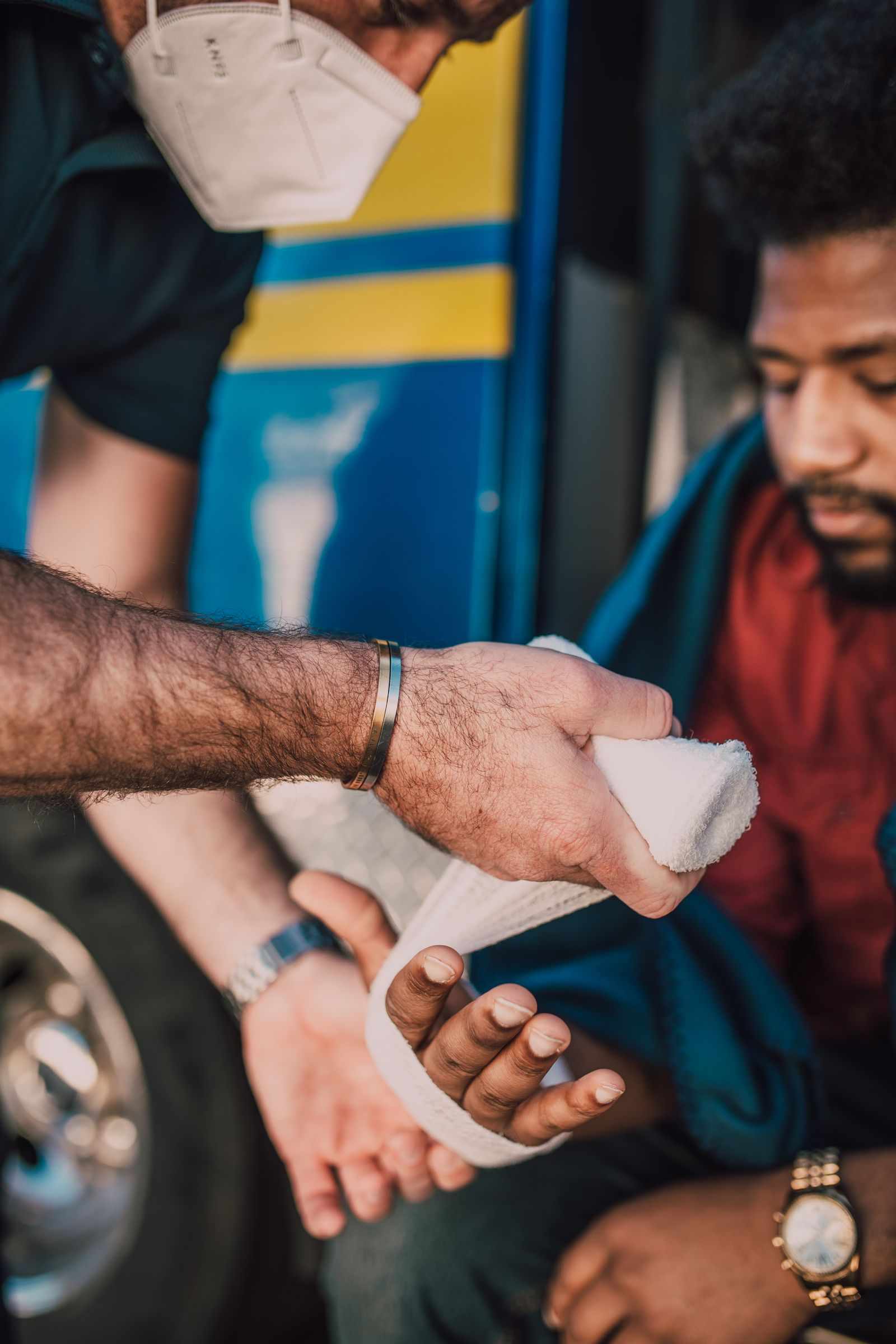
What is it?
As we age, skin gets thinner, drier and easier to hurt. A skin tear can happen from a bump on a wheelchair, removing tape, or being lifted or pulled. Arms, hands and lower legs are common places.
Burns can come from hot liquids, heating pads, cooking or the sun. Minor burns can often be treated outside the hospital. Larger or deeper burns, and burns in certain places, need emergency care.
Wounds from falls and accidents, like scrapes and cuts, can heal slowly in older adults or people with diabetes or poor blood flow. Gentle cleaning and the right dressing help prevent infection and more damage to the skin.
Causes & risk factors
Why it happens
- Thin, dry, aging skin
- Bumps against furniture, bed rails or wheelchairs
- Removing tape or sticky dressings from fragile skin
- Falls, scrapes and other accidents
- Hot liquids, heating pads, hot water or the sun
- Long-term steroid use or blood thinners, which can make skin more fragile or bruise easily
How we help
How we treat it where you live
- Gently clean the wound and, for a skin tear, ease the skin flap back into place when possible
- Use non-stick dressings that do not harm fragile skin when they come off
- Check burns and wounds for depth and signs of infection at each visit
- Send progress notes to your doctor and tell them right away about any concerns
- Teach caregivers safe ways to move, bathe and dress the person to avoid new injuries
Treatments
Treatments used for skin tears, burns & traumatic wounds
Your physician orders the treatment. We match it to the wound and adjust it at every visit.
Wound Assessment & Measurement
A careful check of the wound at every visit, so we can see what is working and keep your doctor informed.
Learn moreAdvanced Wound Dressings
Modern dressings matched to your wound to manage moisture, protect the skin and fight infection.
Learn morePatient & Caregiver Education
Clear, hands-on teaching so patients, families and facility staff can care for the wound between visits.
Learn morePrevention
Helping it heal, and keeping it from coming back
- Moisturize the skin twice a day to keep it soft and strong.
- Pad bed rails, wheelchair arms and sharp furniture corners.
- Wear long sleeves, long pants or soft leg protectors.
- Use lift sheets instead of pulling on arms or legs.
- Avoid sticky tape on fragile skin. Use wraps or tubular bandages instead.
- Set the water heater no higher than 120°F (49°C) and test bath water before use.
Get help right away if you notice
- A burn larger than the palm of the hand, or on the face, hands, feet, groin or a major joint
- Burns from chemicals or electricity, or burns that look white, leathery or charred (call 911)
- Bleeding that does not stop after 10 minutes of firm pressure
- A deep cut, a wound with dirt or debris stuck in it, or signs of infection like fever and spreading redness
For a medical emergency, call 911 or go to the nearest emergency room.
Questions
Skin Tears, Burns & Traumatic Wounds: common questions
What should I do right after a skin tear?
Stop any bleeding with gentle pressure and rinse the area with clean water or saline. If the skin flap is still attached, gently ease it back into place with a damp cotton swab. Cover it with a non-stick dressing, and do not use regular adhesive bandages on fragile skin.
How should I cool a minor burn?
Hold the burn under cool, not cold, running water for several minutes. Do not use ice, butter or home remedies. Cover it loosely with a clean, non-stick dressing and call your doctor if it blisters, looks deep or does not improve.
Why do skin tears happen so easily in older adults?
Skin gets thinner and loses some of its stretch and padding with age. Some medicines can also make skin more fragile. Small bumps that would not hurt younger skin can cause a tear.
Do I need a tetanus shot?
It depends on the wound and when you last had a tetanus shot. Adults usually need a booster every 10 years, and sooner for a dirty or deep wound. Ask your doctor if you are not sure.
Ready to get a wound looked at?
Tell us about the wound and we will call you to schedule a visit at home or at the facility. Physicians and facilities can send a referral online or by fax.