
Surgical & Non-Healing Wounds
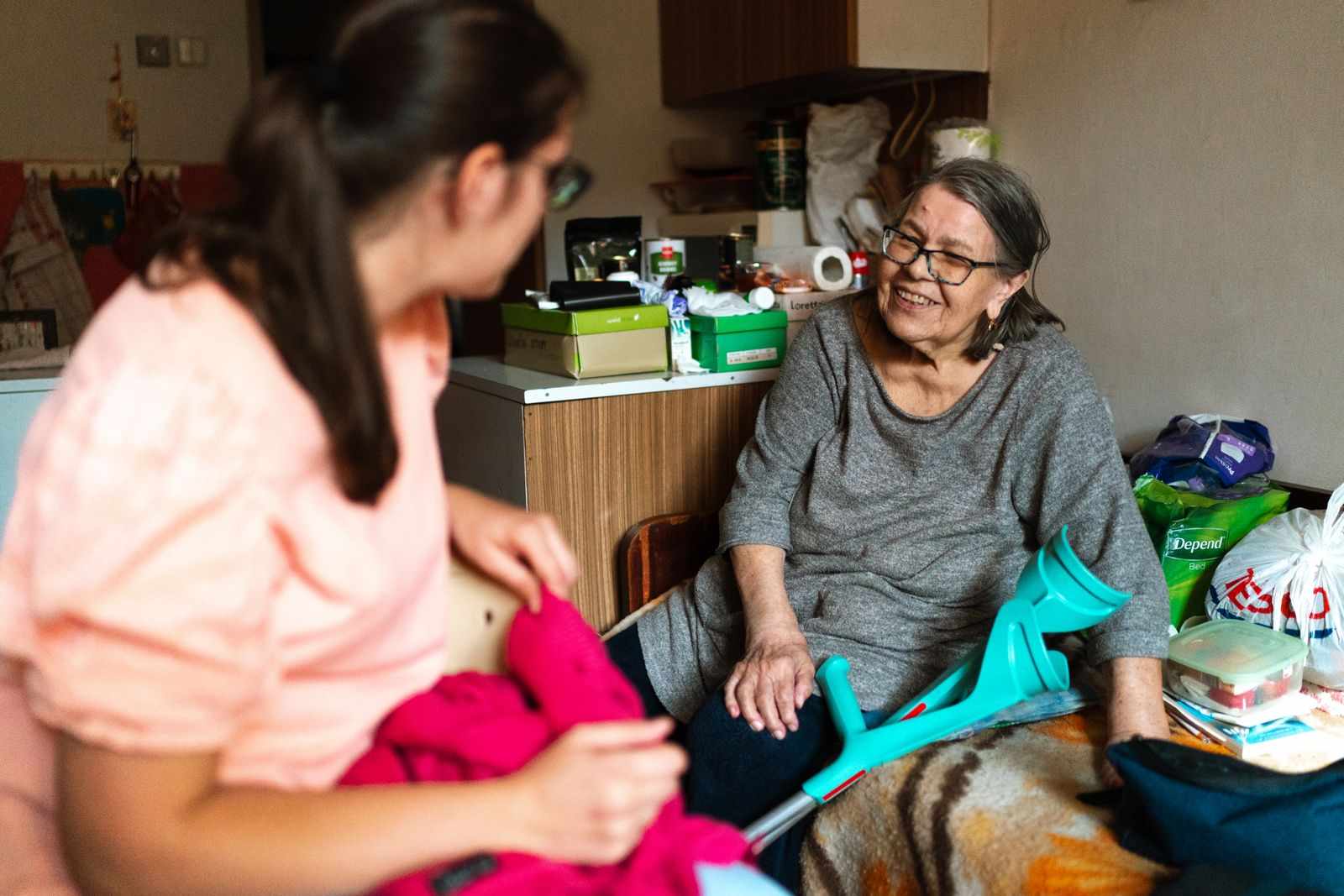
Most surgical cuts heal well, but some open up, get infected or stall. Our clinicians care for these wounds at home or in your facility and keep your surgeon or doctor informed.
What is it?
After surgery, the cut (incision) usually closes and heals over a few weeks. Sometimes the edges pull apart, which is called dehiscence. A wound can also get infected or simply stop getting better.
A wound that has not improved in 2 to 4 weeks is often called a non-healing or chronic wound. Many things can slow healing, such as diabetes, smoking, poor nutrition, infection, swelling or pressure on the area.
Some of these wounds need special care, such as packing, advanced dressings or a wound vac. We follow the orders from your surgeon or doctor and send them notes after each visit so they can see how the wound is doing.
Causes & risk factors
Why it happens
- Strain on the incision from coughing, lifting or bending
- Infection in the wound
- Diabetes, obesity or smoking
- Poor nutrition or low protein
- Medicines that slow healing, such as steroids or some cancer treatments
- Swelling or fluid collecting under the incision
How we help
How we treat it where you live
- Look at, measure and photograph the wound each visit to track healing
- Change dressings and packing as ordered, using clean technique
- Manage a wound vac when your doctor orders one
- Watch closely for infection and call your doctor right away if we see warning signs
- Teach you or your caregiver how to protect the wound between visits
Treatments
Treatments used for surgical & non-healing wounds
Your physician orders the treatment. We match it to the wound and adjust it at every visit.
Wound Assessment & Measurement
A careful check of the wound at every visit, so we can see what is working and keep your doctor informed.
Learn moreAdvanced Wound Dressings
Modern dressings matched to your wound to manage moisture, protect the skin and fight infection.
Learn moreNegative Pressure Wound Therapy (Wound Vac)
A small pump and sealed foam dressing that gently pull fluid from a wound to help it close.
Learn moreDebridement
Removing dead or unhealthy tissue from a wound so healthy tissue can grow.
Learn morePatient & Caregiver Education
Clear, hands-on teaching so patients, families and facility staff can care for the wound between visits.
Learn morePrevention
Helping it heal, and keeping it from coming back
- Follow your surgeon’s instructions for lifting, bathing and activity.
- Hold a pillow against a belly or chest incision when you cough or sneeze.
- Eat enough protein and drink plenty of fluids unless your doctor limits them.
- Keep blood sugar in your target range if you have diabetes.
- Do not smoke or vape while you heal.
- Wash your hands before and after touching the dressing.
Get help right away if you notice
- The wound suddenly opens wide, or you can see organs or deep tissue (call 911 and cover it with a clean, damp cloth)
- Heavy bleeding that does not stop with firm pressure
- Fever of 100.4°F (38°C) or higher, or chills
- Fast-spreading redness, severe pain or new confusion
For a medical emergency, call 911 or go to the nearest emergency room.
Questions
Surgical & Non-Healing Wounds: common questions
Is it normal for my incision to drain?
A small amount of clear or light pink drainage can be normal in the first few days. Thick, cloudy, green or bad-smelling drainage is not. Let your care team know about any change.
What is a wound vac?
A wound vac uses a foam dressing, a seal and a small pump to gently pull fluid away from the wound. It is also called negative pressure wound therapy. Your doctor decides if it is right for you.
Do you work with my surgeon?
Yes. We follow the orders from your surgeon or doctor and send progress notes after visits. If something changes, we contact them so they can adjust your care.
How often will you visit?
Most patients are seen once a week. Some wounds need dressing changes more often. In that case, we teach you, a family member or facility staff how to do them, or work with your other care providers.
Ready to get a wound looked at?
Tell us about the wound and we will call you to schedule a visit at home or at the facility. Physicians and facilities can send a referral online or by fax.