
Compression Therapy
For most venous leg ulcers, compression is the main treatment. We check that it is safe for you, apply it at each visit and help you keep swelling down.
How it works
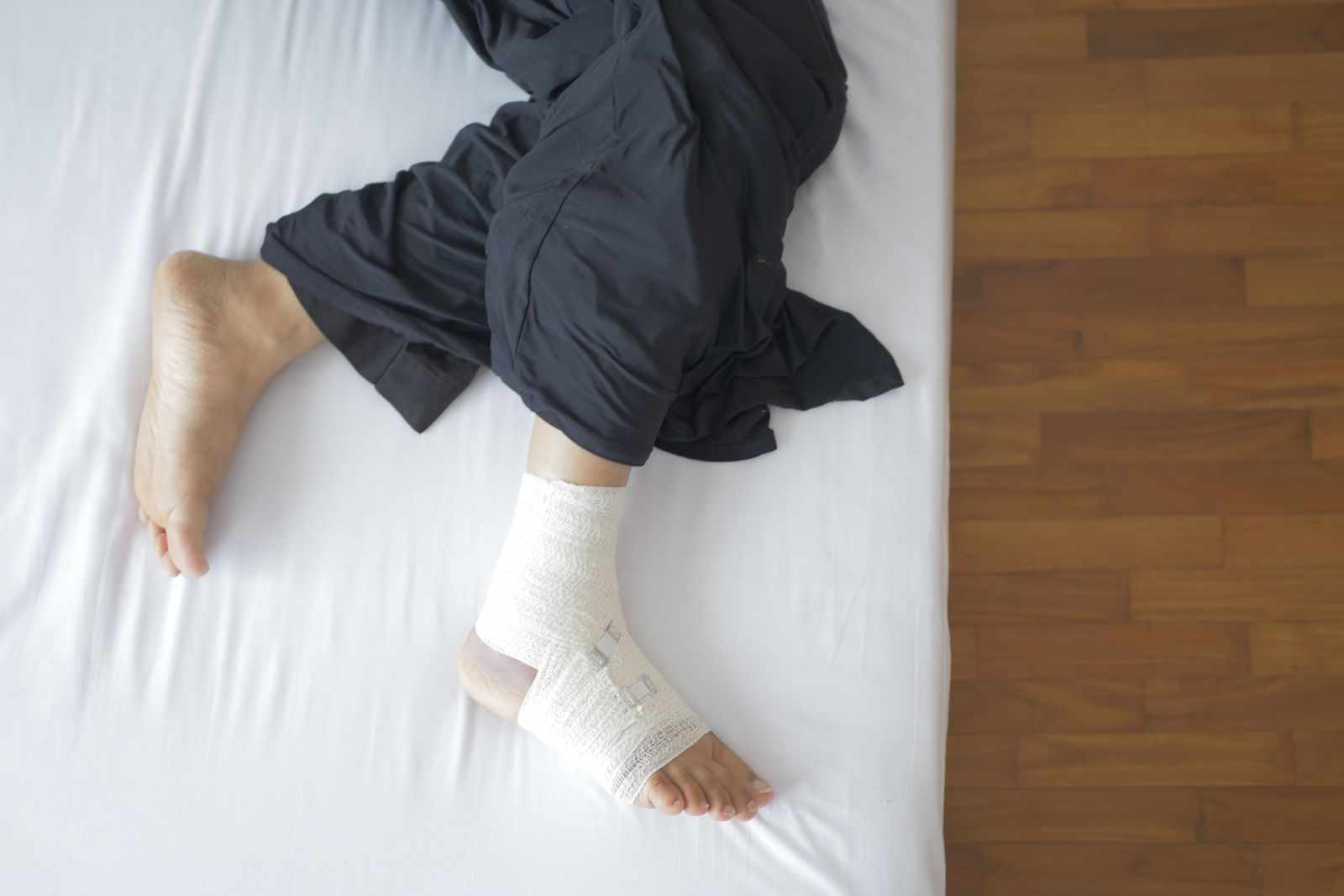
Compression therapy uses layered wraps, elastic bandages or special stockings to gently squeeze the lower leg. This helps the veins move blood back to the heart. It lowers swelling and pressure in the leg, which helps venous ulcers heal and helps keep them from coming back.
Compression is not safe for everyone. Before it starts, blood flow in the legs is checked, often with a simple test that compares blood pressure at the ankle and arm. Your doctor orders the type and strength. We watch for problems at every visit.
At your visit
What to expect
-
Check blood flow
We confirm blood flow has been checked and look at pulses, skin color and temperature in the feet.
-
Remove and wash
We take off the old wrap and gently wash and moisturize the leg.
-
Care for the wound
We clean the ulcer and place a dressing that can handle the drainage.
-
Apply compression
We apply the ordered wrap from the toes up to just below the knee with even pressure.
-
Check comfort
We make sure your toes stay pink and warm and that the wrap feels snug but not painful.
Benefits
Why it helps
- Lowers swelling in the lower leg
- Supports healing of venous ulcers
- Can ease aching and heaviness in the legs
- Helps prevent ulcers from coming back when stockings are worn after healing
Between visits
- Leave wraps on until the next visit unless told otherwise, and keep them dry.
- Raise your legs above your heart when resting.
- Walk and move your ankles to help blood flow.
- Take off the wrap and call us if your toes become numb, cold, blue or very painful.
- Once healed, wear compression stockings every day as prescribed.
Always follow the care plan and dressing orders from your own clinician.
Questions
Compression Therapy: common questions
Will compression feel tight?
It should feel snug and supportive, not painful. Some people need a few days to get used to it. Sharp pain, numbness or color changes in the toes are not normal and need a call.
Why do you check my blood flow first?
If the arteries in your legs do not carry enough blood, squeezing the leg can do harm. A blood flow check helps your doctor choose a safe type and strength of compression.
Can I put on compression stockings myself?
Many people can with practice or with a helper. Special tools can make it easier. We will show you and your caregiver how.
Ready to get a wound looked at?
Tell us about the wound and we will call you to schedule a visit at home or at the facility. Physicians and facilities can send a referral online or by fax.