
Advanced Wound Dressings
The right dressing does more than cover a wound. We choose dressings that keep the wound at the right moisture, protect the skin around it and support healing.
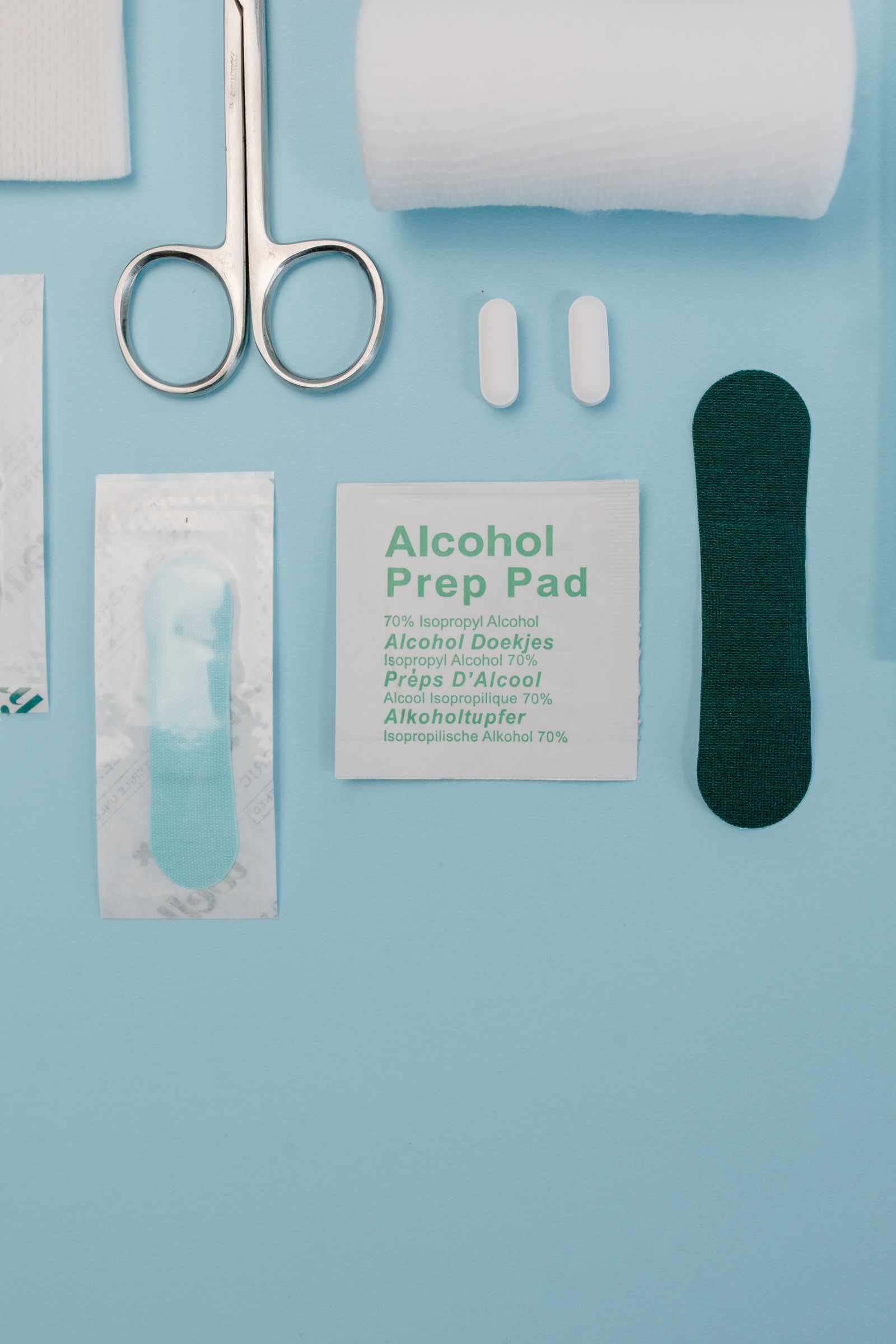
How it works
Wounds heal best when they are clean, protected and kept moist, but not too wet. Advanced dressings are made to help with this. Some soak up heavy drainage, like foams and alginates. Others add moisture to dry wounds, like hydrogels. Some contain silver or other agents that help control bacteria.
We pick a dressing based on the type of wound, how much it drains, the skin around it and how often it can be changed. As the wound changes, the dressing may change too. All dressings are used under your doctor’s orders, and we teach you or your caregiver how to care for them between visits.
At your visit
What to expect
-
Remove the old dressing
We gently take off the old dressing, using saline or a remover if it sticks, to protect the skin.
-
Clean the wound
We rinse the wound and clean the skin around it.
-
Choose the dressing
We look at the wound and pick the dressing that best fits its drainage, depth and the skin around it.
-
Apply and secure
We put on the new dressing and hold it in place in a way that is gentle on fragile skin.
-
Teach and plan
We show you or your caregiver what to watch for and when the dressing needs to be changed.
Benefits
Why it helps
- Keeps the wound at the right moisture for healing
- Protects the skin around the wound from breakdown
- Some dressings can stay on for several days, meaning fewer changes
- Can help control bacteria and odor
Between visits
- Wash your hands before and after touching the dressing.
- Keep the dressing dry unless you have been told it is waterproof.
- Do not lift the dressing to peek at the wound between changes.
- Change the dressing sooner if it leaks, falls off or gets dirty, and let us know.
- Store supplies in a clean, dry place.
Always follow the care plan and dressing orders from your own clinician.
Questions
Advanced Wound Dressings: common questions
Why not just use gauze?
Gauze can dry out the wound and stick to it, which can hurt and damage new tissue when removed. Advanced dressings are made to manage moisture and protect the wound. Gauze still has a place in some care plans.
How often should my dressing be changed?
It depends on the dressing and how much the wound drains. Some are changed daily and others can stay on for several days. We will give you a clear schedule.
What if the dressing leaks between visits?
A leaking dressing should be changed. If you have been taught how, change it and let us know. If not, call us so we can help you plan what to do.
Ready to get a wound looked at?
Tell us about the wound and we will call you to schedule a visit at home or at the facility. Physicians and facilities can send a referral online or by fax.