
Skin Substitutes
When a wound stalls even with good care, a skin substitute may help. We apply them at home or in your facility when standard care is not enough and when your plan covers it.
How it works
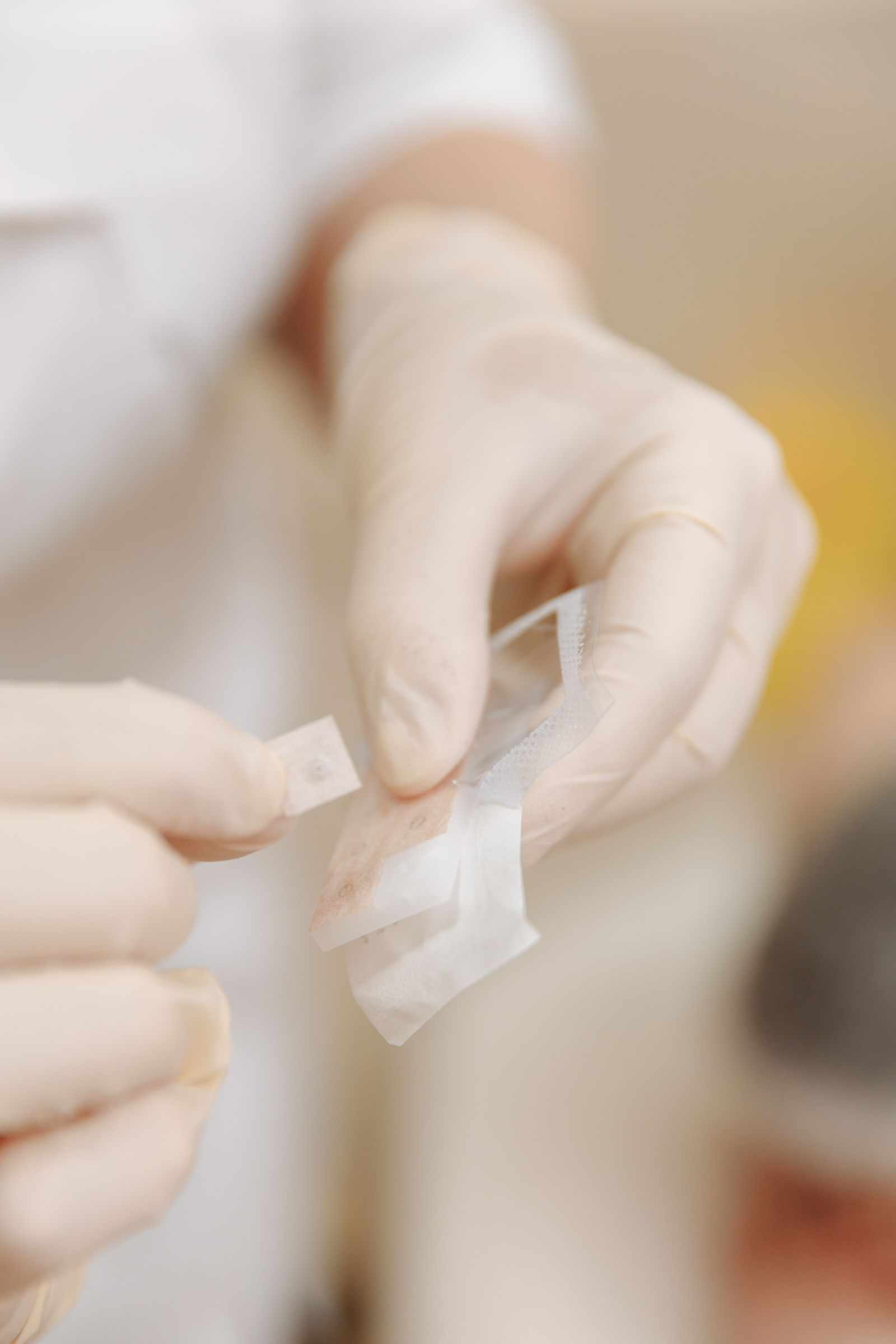
Skin substitutes are thin sheets or grafts made from human, animal or man-made materials. They are placed on a clean wound to act as a frame that helps the body grow new tissue. They are also called cellular and tissue-based products.
They are not a first step. They are usually considered for diabetic foot ulcers and venous leg ulcers that have not improved with standard care, such as good dressings, offloading or compression. Your doctor must order them, the wound must meet certain requirements, and coverage depends on your insurance plan. Standard care continues while a skin substitute is in use.
At your visit
What to expect
-
Prepare the wound
We check the wound and clean it. Dead tissue may be removed so the wound bed is ready.
-
Apply the product
We cut the skin substitute to fit the wound and place it gently on the wound bed.
-
Hold it in place
We cover it with dressings that keep it secure and protected.
-
Protect the area
We make sure offloading or compression is in place so pressure and swelling do not disturb it.
-
Track and report
We measure the wound at follow-up visits and report the results to your doctor.
Benefits
Why it helps
- Gives a stalled wound new support to build tissue
- Can be applied at home or in your care facility
- Works together with your current care plan
Between visits
- Do not remove or change the dressing over the skin substitute unless told to.
- Keep the area dry and protected.
- Keep using offloading devices or compression exactly as directed.
- Call us if the dressing comes loose, leaks or the area becomes more painful or red.
Always follow the care plan and dressing orders from your own clinician.
Questions
Skin Substitutes: common questions
Am I a candidate for a skin substitute?
Skin substitutes are usually considered only after a wound has not improved with standard care for several weeks. Your blood flow, infection status and other health factors also matter. Your doctor makes the final decision.
Is it covered by insurance?
Coverage depends on your plan and on meeting certain medical rules. We help check coverage before treatment. If it is not covered, we will talk with you about other options.
How many applications will I need?
It varies. Some wounds need several applications over a number of weeks. We track progress at each visit and share it with your doctor.
Ready to get a wound looked at?
Tell us about the wound and we will call you to schedule a visit at home or at the facility. Physicians and facilities can send a referral online or by fax.