
Diabetic Foot Ulcers
A sore on the foot can turn serious fast when you have diabetes. Our wound clinicians come to your home or care facility to clean, protect and track the wound each week.
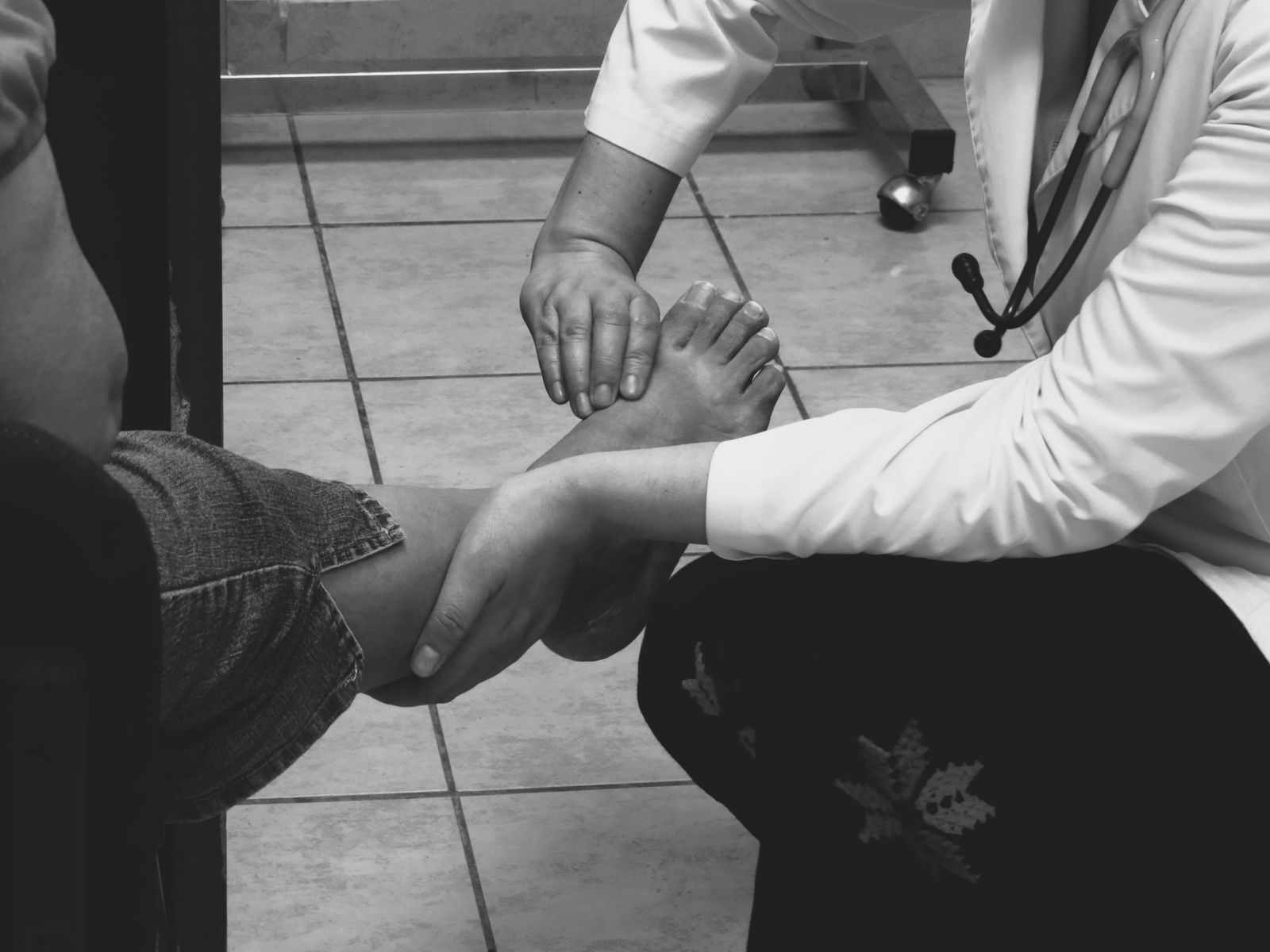
What is it?
A diabetic foot ulcer is an open sore or wound on the foot of a person with diabetes. It often forms on the bottom of the foot, on the toes or on the heel. Many people do not feel it at first, because diabetes can dull the nerves in the feet.
High blood sugar over time can harm nerves and blood vessels. This makes it easier to get hurt and harder to heal. A small blister or crack can grow into a deep wound if no one catches it.
Foot ulcers are a leading reason people with diabetes end up in the hospital. The good news is that steady care, taking pressure off the foot and good blood sugar control give the wound its best chance to heal.
Causes & risk factors
Why it happens
- Nerve damage (neuropathy) that makes it hard to feel cuts, blisters or rubbing
- Poor blood flow to the feet and legs
- Pressure from walking, tight shoes or calluses
- High blood sugar that slows healing and makes infection more likely
- Changes in foot shape, such as bunions, hammertoes or a Charcot foot
- Small injuries, like stepping on something while barefoot
How we help
How we treat it where you live
- Measure and photograph the wound at each visit so we can see if it is getting smaller
- Remove dead tissue and callus when it is safe and ordered by your doctor
- Choose a dressing that keeps the wound clean and at the right moisture
- Fit an offloading boot, shoe or pad to take pressure off the sore
- Check for signs of infection or poor blood flow and send progress notes to your doctor
Treatments
Treatments used for diabetic foot ulcers
Your physician orders the treatment. We match it to the wound and adjust it at every visit.
Wound Assessment & Measurement
A careful check of the wound at every visit, so we can see what is working and keep your doctor informed.
Learn moreDebridement
Removing dead or unhealthy tissue from a wound so healthy tissue can grow.
Learn moreOffloading & Pressure Relief
Taking pressure off a wound with special boots, shoes, cushions, mattresses and repositioning.
Learn moreAdvanced Wound Dressings
Modern dressings matched to your wound to manage moisture, protect the skin and fight infection.
Learn moreSkin Substitutes
Thin sheets of special material placed on a stalled wound to support new tissue growth, when standard care is not enough.
Learn morePrevention
Helping it heal, and keeping it from coming back
- Look at both feet every day, including between the toes. Use a mirror or ask for help.
- Never walk barefoot, even inside the house.
- Wear shoes and socks that fit well and do not rub.
- Keep your blood sugar in the range your doctor sets.
- Keep skin clean and moist, but dry well between the toes.
- Have your feet checked by a health professional at every visit, and see a foot doctor for corns and calluses.
Get help right away if you notice
- Fever or chills along with a foot wound
- Redness or red streaks spreading up the foot or leg
- Skin around the wound turning black, or a strong bad smell
- A foot that is suddenly cold, pale or very painful
For a medical emergency, call 911 or go to the nearest emergency room.
Questions
Diabetic Foot Ulcers: common questions
Why does my foot ulcer not hurt?
Diabetes can damage the nerves in your feet, so you may feel little or no pain. This is why ulcers can grow without anyone noticing. Daily foot checks are one of the best ways to catch problems early.
How long does a diabetic foot ulcer take to heal?
It depends on the size and depth of the wound, your blood flow, your blood sugar and how well pressure is kept off the foot. Some heal in weeks and others take months. If a wound has not improved in 2 to 4 weeks, your care plan should be looked at again.
Can I keep walking on my foot?
Walking on the ulcer puts pressure on it and can slow healing. Your doctor may order a special boot, shoe or other device to protect the area. We will show you how to use it and how much walking is safe.
Do you come to my home?
Yes. Our clinicians visit patients at home, in assisted living and board-and-care homes and in skilled nursing facilities across Los Angeles County. Visits are usually once a week, based on your doctor’s orders.
Will I need surgery or hyperbaric oxygen?
Most foot ulcers are treated without surgery. Some people need a specialist for blood flow problems, deep infection or other treatments. We do not offer hyperbaric oxygen, but we will work with your doctor on a referral if it is needed.
Ready to get a wound looked at?
Tell us about the wound and we will call you to schedule a visit at home or at the facility. Physicians and facilities can send a referral online or by fax.