
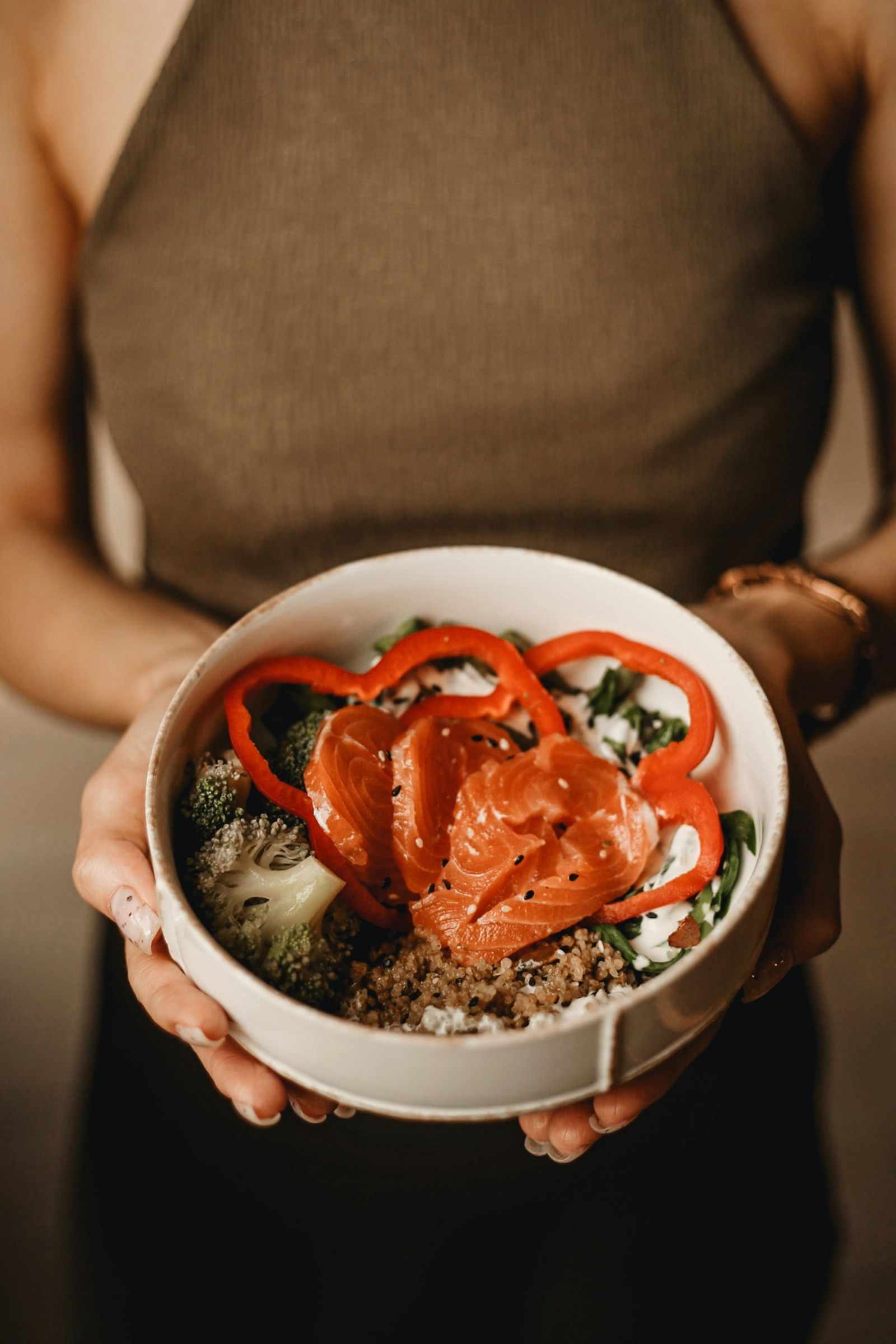
Why food and fluids matter for healing
Healing a wound takes energy and building blocks. Your body uses protein, calories, vitamins, minerals and water to make new tissue and fight infection. When someone isn’t eating or drinking enough, wounds can heal more slowly.
Many older adults eat less because of a low appetite, trouble chewing, illness or living alone. Small changes can help. Before you change your diet, check with your doctor or a registered dietitian, especially if you have kidney disease, diabetes, heart failure or a fluid limit.
If you don’t eat enough calories, your body may use protein for energy instead of healing. Eating small meals or snacks every few hours can be easier than three large meals.
Water helps carry nutrients to the wound and keeps skin healthy. Drink fluids through the day unless you have been told to limit them. Water, milk, soups and juice all count. Signs you may need more fluid include dark urine, a dry mouth, or feeling dizzy. Ask your doctor how much is right for you.
Protein: the building block
Protein helps your body build new skin and tissue. Try to include a protein food at every meal and snack, unless your doctor has told you to limit protein.
- Eggs, chicken, turkey, fish and lean meats
- Milk, yogurt (Greek yogurt has extra protein) and cheese
- Beans, lentils, tofu and peanut butter or other nut butters
- Cottage cheese, or a nutrition shake if your care team suggests one
Vitamins and minerals that help
- Vitamin C helps the body make collagen, a protein that holds skin together. Find it in oranges, strawberries, kiwi, tomatoes, peppers and broccoli.
- Zinc supports tissue repair. Find it in meat, seafood, beans, nuts and whole grains.
- Vitamin A supports skin health. Find it in carrots, sweet potatoes, spinach, eggs and milk.
- Eat a mix of colorful fruits and vegetables to cover many nutrients at once.
- Don’t start vitamins or supplements without asking your doctor or pharmacist. Too much of some, like zinc or vitamin A, can cause harm or interact with medicines.
If you have diabetes or kidney disease
With diabetes, keeping blood sugar in your target range is one of the best things you can do for healing. High blood sugar slows healing and raises the risk of infection. Choose whole grains, vegetables and lean proteins, and talk with your doctor or diabetes educator before adding shakes or sweet drinks.
With kidney disease, you may need to limit protein, potassium, phosphorus, salt or fluids. Some foods on this page may not be right for you. Ask your doctor or kidney dietitian for a plan made for your needs.
A sample day of healing-friendly eating
This is only an example. Your own needs may be different, so check with your doctor or dietitian before making big changes.
- Breakfast: scrambled eggs, whole-grain toast and half a cup of berries
- Snack: Greek yogurt or a small handful of nuts
- Lunch: bean and vegetable soup with a turkey or tuna sandwich
- Snack: cheese with apple slices, or peanut butter on crackers
- Dinner: baked fish or chicken, a sweet potato and steamed broccoli
- Drinks through the day: water, milk or other fluids, unless you have a fluid limit
Tips for caregivers
- Offer small portions and favorite foods, and serve protein first.
- Keep easy snacks on hand, like yogurt, cheese, eggs or nut butter on crackers.
- Make meals social when possible. Many people eat more with company.
- Tell the care team about weight loss, poor appetite, trouble chewing or swallowing, or coughing while eating.
- Call 911 if someone is choking and can’t breathe, cough or speak.
This guide is general education, not medical advice. Follow the care plan from your own clinician. For a medical emergency, call 911.